

Riddle & Riddle Injury Lawyers | February 19, 2026 | Legal News \ Product Liability
On February 17, 2026, Bayer announced a historic $7.25 billion settlement aimed at resolving a large portion of the remaining Roundup cancer lawsuits in the United States. This development represents a monumental shift in the decade-long litigation, marking it as one of the largest product liability cases in recent history.
Understanding the $7.25 Billion Proposal
This new $7.25 billion proposal is separate from the roughly $10 billion settlement Bayer announced several years ago. While the earlier resolution settled over 100,000 claims, approximately 65,000 cases remained active in late 2025.
Importantly: Riddle & Riddle is still accepting qualifying Roundup cases.
For individuals diagnosed with non-Hodgkin’s lymphoma after using Roundup, this is a critical moment. The newly reported proposal centers on a structured settlement plan totaling up to approximately $7.25 billion. While full details are still emerging, the framework is reportedly designed to resolve large groups of pending U.S. claims and may involve payments over an extended period.
However, this is not a blanket payout. It is a proposed framework that must still go through legal processes and court approval. Depending on its structure, it may apply to defined categories of claimants and may include procedural requirements for participation.
Settlement proposals in mass tort cases often raise as many questions as they answer.
Who qualifies? Will future claims be allowed? What deadlines will apply?
These issues are typically addressed as the proposal moves through the courts.
Why Roundup Litigation Continues
Roundup, originally developed by Monsanto and now owned by Bayer, contains the active ingredient glyphosate. Plaintiffs across the country allege that long-term exposure to glyphosate caused them to develop non-Hodgkin’s lymphoma (NHL) and chronic lymphocytic leukemia (CLL) and that the manufacturer failed to provide adequate warnings.
Over the past several years, juries have returned substantial verdicts in favor of plaintiffs, along with some verdicts favoring the defendant. Favorable verdicts for plaintiffs have played a significant role in pressuring settlement discussions, but they have not eliminated ongoing litigation. Appeals, new filings, and unresolved claims have kept the legal battle active.
Non-Hodgkin’s lymphoma is a serious cancer that originates in the lymphatic system. It can impact lymph nodes, bone marrow, spleen, and other organs. Many individuals who have filed Roundup claims report years of consistent exposure through farming, landscaping, groundskeeping, or regular residential use.
The severity of diagnosis, duration of exposure, and medical history all play important roles in evaluating potential claims.
Does This Proposal Stop New Claims?

No. At this stage, the proposed $7.25 billion framework does not automatically prevent new cases from being filed. Our Roundup lawsuit attorneys are actively investigating these claims. If you or a loved one have suffered from NHL or CLL potentially linked to Roundup exposure, call 1-800-525-7111 for a free case review with one of our experienced injury attorneys.
Until a settlement is formally approved and specific legal parameters are established, individuals who qualify may still have the right to pursue claims. Even once a settlement structure is approved, there are often participation windows, opt-in requirements, or deadlines that apply.
This is why timing matters.
Statutes of limitation vary by state and continue running regardless of settlement headlines. In many cases, waiting too long can permanently bar recovery. Additionally, as time passes, gathering exposure records, employment documentation, and medical evidence becomes more difficult.
If you suspect Roundup exposure contributed to your diagnosis, the safest course of action is to have your case evaluated promptly. We are ready to help however we can.
Eligibility: Do You Qualify for the Roundup Settlement?
Eligibility in Roundup litigation is fact-specific. To participate in the new $7.25 billion program or file an independent claim, you generally must meet the following evolving criteria:
- Exposure Threshold: Minimum of 120 hours of glyphosate exposure.
- Latency Period: Diagnosis must have occurred at least two years after your first exposure.
- Diagnosis: A confirmed medical diagnosis of Non-Hodgkin Lymphoma (NHL) or its subtypes (such as CLL or Hairy Cell Leukemia).
- Statutes of Limitation: You must file before your state-specific deadline, which can be as short as one year from diagnosis.
Many qualifying plaintiffs are:
- Agricultural workers
- Landscapers and groundskeepers
- Farmers
- Property maintenance workers
- Long-term residential users
Both personal injury claims and wrongful death claims may be available depending on the circumstances.
Even individuals who used Roundup years ago may still qualify, depending on when symptoms appeared and when a formal diagnosis was made.
Potential Compensation in Roundup Cases
Compensation in Roundup lawsuits varies significantly based on the individual case — and remember, there are never any guarantees and any potential compensation depends on the unique facts and circumstances of the case. Factors that often influence value include:
- The aggressiveness of the lymphoma
- The extent and cost of medical treatment
- Lost wages and impact on earning capacity
- Age at diagnosis
- Long-term health consequences
Recoverable damages may include medical expenses, lost income, pain and suffering, and in wrongful death cases, potentially loss of companionship and financial support.
It is important to understand that settlement structures typically involve tiered compensation systems. Cases involving more severe medical outcomes or clearer exposure histories may be treated differently from others. An experienced product liability attorney can help assess where your case may fall within evolving settlement criteria.
Why Riddle & Riddle for Roundup Claims?
Riddle & Riddle Injury Lawyers continues to actively investigate Roundup claims nationwide. We are closely monitoring developments surrounding the proposed $7.25 billion settlement structure and remain available to evaluate qualifying cases. Led by experienced attorneys Gene Riddle and Alex Riddle, our team understands the science, procedural posture, and evolving legal landscape of the Roundup litigation.
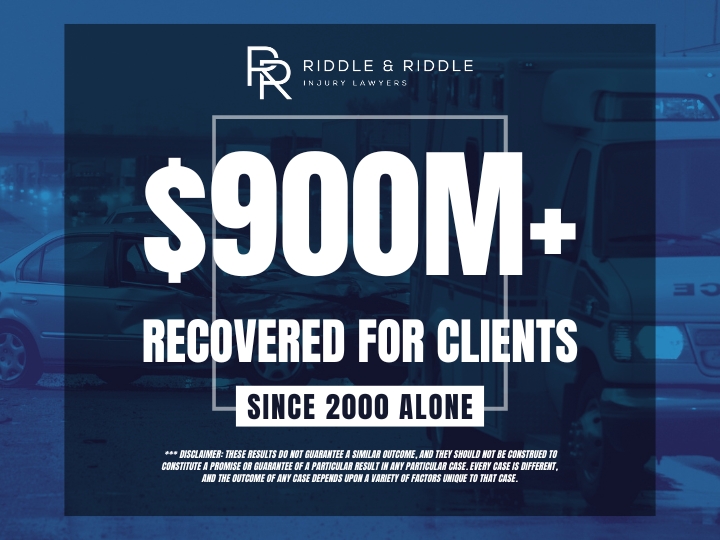
Since 2000, Riddle & Riddle has recovered over $900 million (see disclaimer below) for our clients. We don’t just “process” cases; we litigate them.
- Proven Results: We have the resources to go toe-to-toe with Bayer’s legal machine.
- Expert Testimony: We work with leading oncologists and toxicologists to prove the link between your exposure and your diagnosis.
We believe individuals harmed by dangerous products deserve accountability. When Justice Counts™, count on the team at Riddle & Riddle.
The Bottom Line
Bayer’s proposed $7.25 billion settlement framework represents a significant development, but it does not automatically resolve every claim, nor does it guarantee compensation for every affected individual.
If you or a loved one were diagnosed with non-Hodgkin’s lymphoma after using Roundup, now is the time to understand your rights. Waiting could mean losing eligibility under statute of limitations laws or missing inclusion in evolving settlement structures.
Call 1-800-525-7111 today for a free case review. We’re standing by and ready to help however we can.