


If you or a loved one has been diagnosed with non-Hodgkin’s lymphoma (NHL) or chronic lymphocytic leukemia (CLL) following exposure to Roundup weed killer in North Carolina, you may be entitled to significant financial compensation.
At Riddle & Riddle Injury Lawyers, we are deeply rooted in North Carolina and committed to fighting for justice on behalf of our community members. Our experienced team of Roundup lawsuit attorneys in North Carolina is here to guide you through the legal process and advocate for the compensation you deserve.
For a free, no-obligation case review, please contact our team or call 1-800-525-7111. There are no upfront costs, and we don’t get paid unless you do.
We are committed to seeking maximum compensation for our clients.
Understanding the Roundup Litigation

Roundup, a widely used herbicide manufactured by Monsanto (now owned by Bayer AG), contains glyphosate, which has been classified as a probable human carcinogen by the International Agency for Research on Cancer (IARC). Extensive studies have shown that prolonged exposure to glyphosate can increase the risk of developing certain types of cancer, particularly NHL and CLL.
Thousands of lawsuits have been filed nationwide alleging that exposure to Roundup has led to cancer diagnoses. Many of these lawsuits claim that Monsanto failed to warn consumers about the potential dangers of glyphosate exposure and misrepresented the safety of its product. Bayer AG strongly denies liability and/or wrongdoing in these cases.
Thousands of Claims
As of March 2025, roughly 165,000 lawsuits have been filed against the manufacturer of Roundup, with most of these being consolidated into multidistrict litigation (MDL). Bayer has already settled tens of thousands of these cases, agreeing to pay billions of dollars. However, not all claimants have accepted Bayer’s settlement, and there are still thousands of cases pending.
If you or a loved one in North Carolina has suffered from non-Hodgkin’s lymphoma or CLL after exposure to Roundup, you may qualify for a lawsuit. Call 1-800-525-7111 today for a free case review with an experienced attorney at Riddle & Riddle.
The Impact of Roundup Exposure
Glyphosate exposure can occur through various means, including:
- Occupational Exposure: Farmers, landscapers, agricultural workers, and groundskeepers who use Roundup regularly are at a higher risk.
- Residential Use: Homeowners who have used Roundup in their gardens or lawns over an extended period.
- Environmental Exposure: Individuals who live near areas where Roundup is frequently sprayed may also face increased risk.
Do You Qualify for a Roundup Lawsuit?
To determine eligibility for a Roundup lawsuit in North Carolina, the following criteria are considered:
- Exposure Duration: You were exposed to Roundup for at least 120 hours.
- Timing of Exposure: Your exposure occurred at least two years prior to your cancer diagnosis.
- Medical Diagnosis: You have been diagnosed with a form of non-Hodgkin’s lymphoma (NHL) or chronic lymphocytic leukemia (CLL).
- Timeframe for Death Cases: If filing on behalf of a deceased loved one, the date of death must be within the last ten years.
If you meet these criteria, you may be eligible to file a Roundup lawsuit.
Call 1-800-525-7111 for a FREE case review.
Why Choose Riddle & Riddle?
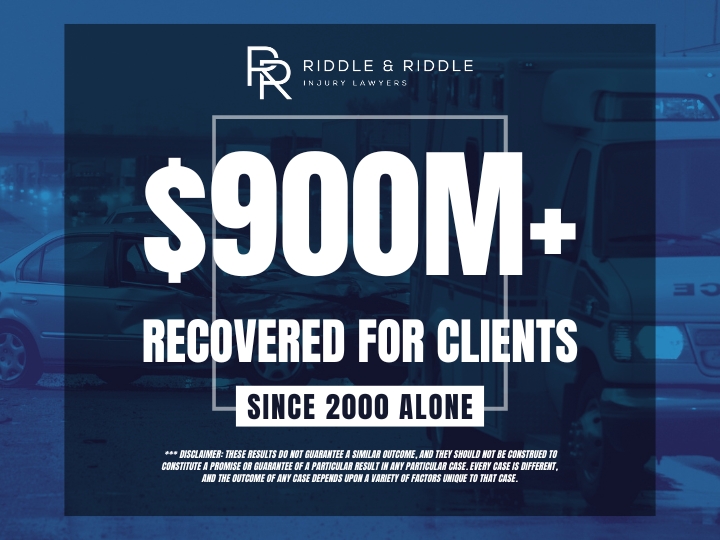
With deep ties to North Carolina, Riddle & Riddle has been advocating for victims of negligence for over 40 years. Our attorneys bring more than 171 years of combined legal experience to each case, ensuring knowledgeable and dedicated representation. We have a proven track record of securing significant compensation for our clients, including over $900 million in compensation recovered for victims since 2000 alone (see disclaimer below).
“This settlement changed me and my family’s lives.” — Linda B., Riddle & Riddle client
Our commitment to excellence is recognized through various awards and memberships (see disclaimer below):
- Million Dollar Advocates Forum and Multi-Million Dollar Advocates Forum
- The National Trial Lawyers Top 100
- National Association of Distinguished Counsel
- Super Lawyers and Super Lawyers Rising Stars
- AV Preeminent Rating from Martindale-Hubbell
- 2014 Litigator Award
We strive to treat clients like family and are also honored to have been named a “Best Family-Run Law Firm” by NC Lawyers Weekly in 2025.
Contact us at 1-800-525-7111 for your FREE case review.
Our North Carolina Roots
As a firm deeply connected to North Carolina, we understand the unique challenges faced by our community. Our founding partner, Gene Riddle, is a native of the state, having grown up in Aberdeen after moving from Albemarle.
Gene, his daughter Alex Riddle, and our other attorneys now proudly serve clients across the entire state of North Carolina, and have successfully represented thousands of North Carolina residents in product liability and personal injury cases, always prioritizing the rights and needs of our clients.
Steps to Take If You Believe You Qualify
- Gather Documentation:
- Medical records confirming your diagnosis.
- Proof of Roundup purchase or usage, such as receipts or employment records.
- Consult with Our Attorneys:
- Contact Riddle & Riddle at 1-800-525-7111 for a free case evaluation.
- Discuss your exposure history and medical diagnosis with our legal team.
- Take Legal Action:
- If you qualify for a claim and decide to hire us, we can file a lawsuit and seek justice on your behalf.
- We operate on a contingency fee basis, meaning you pay no attorney fees unless we recover compensation for you.
For a FREE case review with an experienced North Carolina Roundup lawyer, call 1-800-525-7111 today.
Evidence Needed for Your Roundup Lawsuit
To build a strong case, the following evidence is essential:
- Proof of Roundup Exposure:
- Receipts of purchase.
- Partially used Roundup containers.
- Invoices for landscaping work.
- Employment records in industries with herbicide exposure.
- Medical Documentation:
- Medical records linking your cancer diagnosis to Roundup exposure.
Our attorneys can assist in gathering and organizing this evidence to support your claim.
Contact us at 1-800-525-7111 for a free, no-obligation case review.
The Legal Process for a Roundup Lawsuit
If you decide to hire us, our legal team can help guide you through the following steps:
- Case Evaluation: A free consultation to assess your eligibility and answer any questions. Call 1-800-525-7111 today to speak with an experienced Roundup attorney in North Carolina.
- Investigation and Documentation: Collecting the necessary evidence to build a strong case.
- Filing the Lawsuit: Our attorneys can guide you through every step of the legal process.
- Negotiation and Settlement Talks: Many Roundup cases have resulted in substantial settlements for victims (however there are no guarantees and the outcome will depend on the facts and circumstances in each case).
- Trial, If Necessary: If a fair settlement cannot be reached, our attorneys are prepared to help take your case to court.
January 2026 Update
The Roundup litigation remains one of the most significant and long-running mass torts in the United States, with claims alleging that exposure to glyphosate-based herbicides caused non-Hodgkin lymphoma and other cancers. Plaintiffs continue to argue that the manufacturer failed to warn consumers, landscapers, and agricultural workers about cancer risks while actively disputing or influencing scientific assessments of glyphosate safety. As of January 2026, the litigation is largely in a post-MDL phase, with outcomes increasingly shaped by individual trials, settlements, and appellate rulings.
Key developments this month include:
- The federal MDL proceedings originally centralized in the U.S. District Court for the Northern District of California have largely concluded, with remaining cases proceeding through remand or dismissal based on prior rulings.
- Large-scale settlement programs have resolved substantial portions of the federal and state court dockets, though tens of thousands of claims remain active or unresolved.
- State court litigation continues to move forward, with new trials scheduled in several jurisdictions and plaintiffs seeking verdicts that could influence future settlement values.
- Defendants continue to pursue appellate strategies aimed at limiting punitive damages, narrowing expert testimony, and challenging causation standards applied in earlier verdicts.
- Plaintiffs’ attorneys remain focused on cases involving high-exposure plaintiffs and strong medical evidence, particularly where Roundup use was frequent, long-term, and occupational.
Overall, the Roundup lawsuits have entered a mature and highly individualized phase, where results depend heavily on exposure history, medical documentation, and jurisdiction. While many claims have been resolved, ongoing trials and appeals ensure that Roundup litigation will continue to evolve throughout 2026, with verdicts and rulings likely to influence the pace and scope of remaining settlements.
Why 2025 Is a Critical Year for Roundup Lawsuits
With new settlements being negotiated and courts actively scheduling trials, 2025 may be one of the last opportunities for victims to seek justice. Bayer has expressed interest in resolving more cases but continues to resist paying full value on many claims. Our team is prepared to fight for maximum compensation for North Carolina clients who have suffered life-altering diagnoses.
Act Now to Protect Your Rights

While many Roundup lawsuits have reached settlements, there is still time to file a claim if you meet the eligibility criteria. However, time is of the essence. Delaying action can impact your ability to receive compensation. Our team at Riddle & Riddle is ready to provide the legal support you need.
Call 1-800-525-7111 today for a FREE, no-obligation consultation.
When Justice Counts™, you can count on the team at Riddle & Riddle. If you or a loved one has been affected by Roundup exposure in North Carolina, call today for a free case review and let’s see how we can help.