

Riddle & Riddle Injury Lawyers | January 23, 2026 | Safety Tips
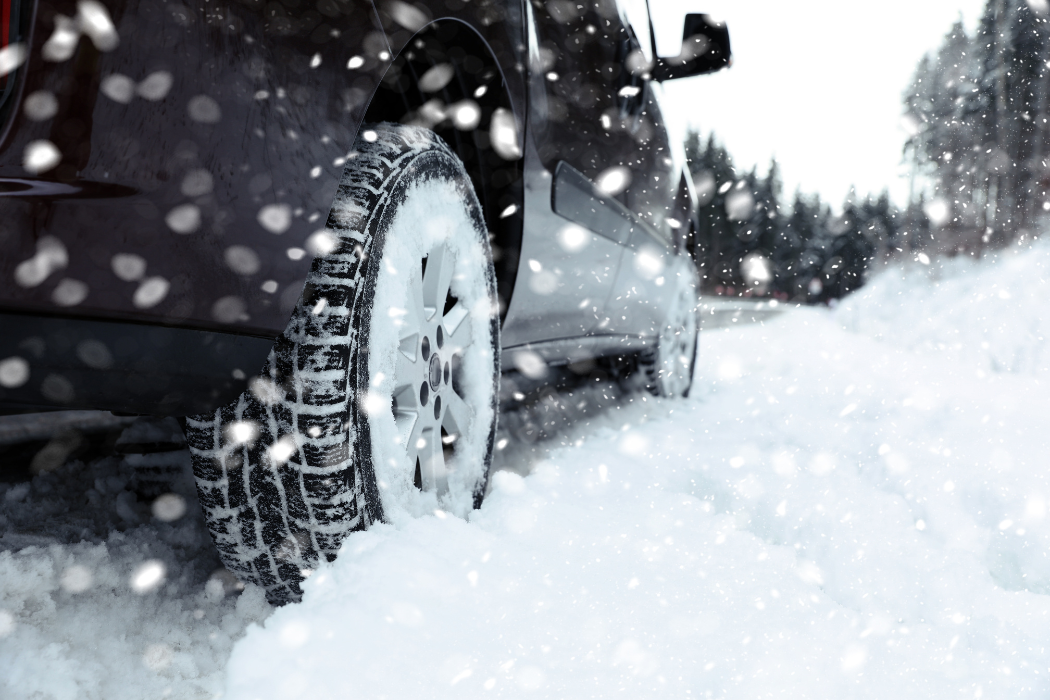
Ice storms are among the most dangerous winter weather events because they combine freezing temperatures, heavy ice accumulation, widespread power outages, and treacherous roads and walkways. Unlike snow, even a quarter-inch of ice accumulation can bring down power lines and turn roads into sheets of black ice, a familiar seasonal risk in North Carolina. Being prepared for these changes to familiar routes isn’t just a suggestion, but a necessity.
This guide explains how to stay safe during an ice storm, whether at home, outdoors, or on the road, to help reduce your risk of injury and property damage.
1. Preparing Your Home for an Ice Storm
Preparation is your first line of defense against the infrastructure failures common during freezing rain events.
Before the Storm: Essential Preparation Checklist
- The 72-Hour Rule: Stock at least three days of non-perishable food, one gallon of water per person per day, and essential medications.
- Infrastructure Check: Trim weak tree branches overhanging your roof or power lines.
- Pipe Protection: Insulate exposed pipes and allow faucets to drip slightly to prevent freezing. Know the location of your main water shut-off valve.
- Vehicle Placement: Move cars into a garage or away from trees and power lines that may collapse under the weight of the ice.
Staying Safe During Power Outages
- Carbon Monoxide (CO) Safety: Never run a generator, grill, or camp stove indoors, in an attached garage, or near windows or doors.
- Heat Conservation: Close off unused rooms and use towels to block drafts under doors. Wear layers of loose-fitting, warm clothing.
- Lighting: Use flashlights or battery-powered lanterns. Avoid candles to minimize fire risk.
- Expert Tip: Keep your refrigerator and freezer doors closed. An unopened fridge keeps food safe for 4 hours; a full freezer can maintain its temperature for 48 hours.
2. Outdoor Safety: Navigating Dangerous Ice Conditions
If you must go outside, remember that ice buildup is often invisible and extremely heavy.
- Watch for “Ice Fall”: As temperatures fluctuate, large chunks of ice can fall from rooftops and trees with serious injury risk.
- Downed Power Lines: Treat every downed wire as live. Stay at least 35 feet away and notify your utility provider immediately.
- The “Penguin Walk”: To stay upright on slick surfaces, take small, shuffling steps, keep your center of gravity over your front leg, and point your toes slightly outward to avoid a possible slip and fall accident.
3. Winter Driving & Road Safety in North Carolina
According to the National Highway Traffic Safety Administration (NHTSA), thousands of car accidents occur annually due to icy road conditions. If travel is not strictly necessary, stay off the roads.
If You Must Drive:
- Increase Following Distance: Increase your gap to 8–10 seconds behind the vehicle in front of you.
- Avoid “Cruise Control”: Never use cruise control on icy or wet roads; you need full manual control over the wheels.
- Brake Early and Gently: If you have ABS (Anti-lock Braking System), apply firm, steady pressure. Do not “pump” the brakes.
- Clear the Entire Car: Remove ice from the roof and hood. Flying ice “sheets” from moving vehicles are a major cause of highway accidents and liability.
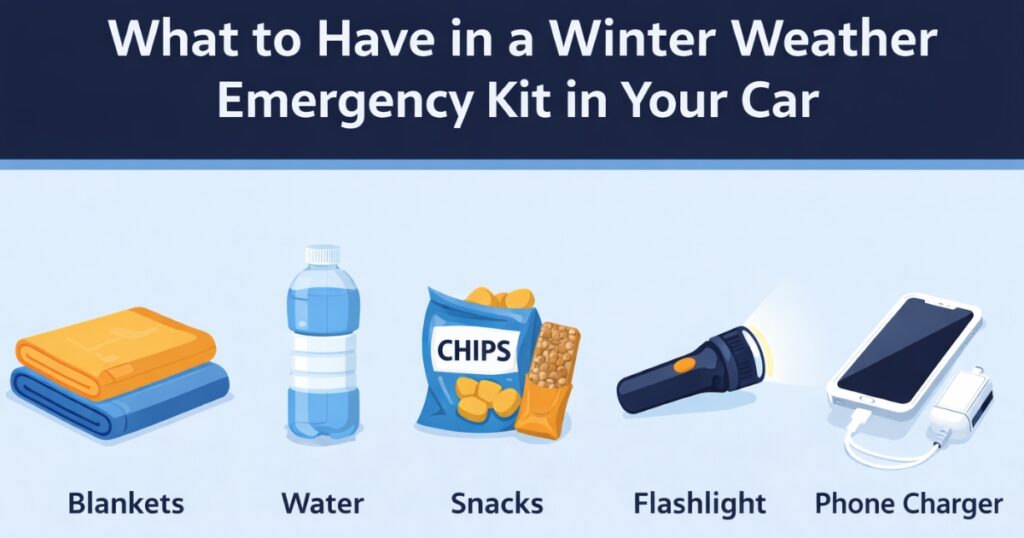
What To Do If You Are Stranded
- Stay with the Vehicle: It is your primary shelter.
- Clear the Exhaust: Ensure your tailpipe isn’t blocked by snow or ice to prevent CO poisoning.
- Conserve Battery: Put your phone in “Low Power Mode” and run the engine for no more than 10 minutes every hour for heat, while checking the exhaust pipe remains clear.
4. Preventing Slip and Fall Injuries
Ice storms are a leading cause of winter-related emergency room visits for fractures and head injuries.
- Property Maintenance: Use rock salt, sand, or kitty litter on walkways before the rain begins to freeze.
- Entryway Safety: Use heavy-duty mats at entrances to soak up moisture and prevent indoor “wet-floor” slips.
- Document Conditions: If you are injured on a commercial property due to untreated ice, take photos of the area and seek medical attention immediately, because internal injuries or concussions may have delayed symptoms.
Resources for Ice Storm Safety
External Resources:
- Ready.gov: Winter Weather Safety – Comprehensive federal guide.
- ReadyNC.gov – Real-time North Carolina weather and road conditions.
- National Weather Service (NWS) – For localized watches and warnings.
- CDC: Carbon Monoxide Poisoning Prevention – Essential safety tips for generator use.
After the Ice Storm: Ongoing Safety Awareness
Even after the storm ends, dangerous conditions can linger:
- Ice may remain on roads, sidewalks, rooftops, and tree limbs
- Continue watching for falling debris or unstable branches
- Inspect your home for damage, leaks, or structural concerns
- Monitor weather updates in case temperatures drop again
Final Thoughts on Ice Storm Safety
Ice storms are unpredictable and high-stakes events. By preparing your home, using safe movement techniques like the “penguin walk,” and respecting the dangers of icy roads, you can significantly reduce your risk during severe winter weather.
Injured in an Accident?

If you’ve been injured in a North Carolina car accident or slip and fall accident caused by hazardous winter conditions, Riddle & Riddle Injury Lawyers offers a free case review. There are no upfront costs or attorney fees unless we recover compensation for you. Call 1-800-525-7111 to speak with an experienced injury attorney today.