
The Heavy Reality of Electric Vehicles
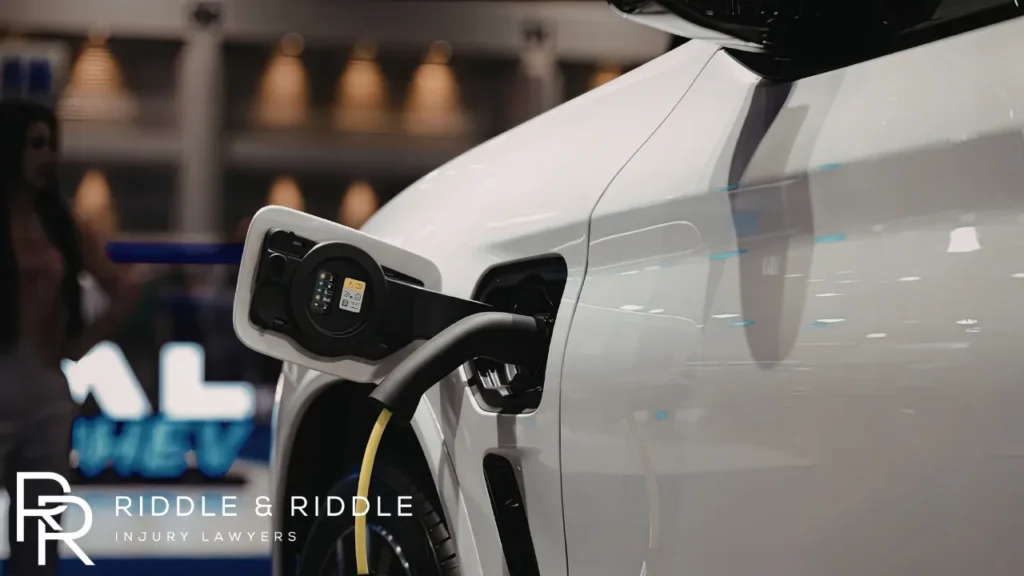
The biggest difference between a gas-powered vehicle and an electric one is weight. EVs require large, dense battery packs to achieve a functional driving range, and those batteries add significant mass. A Rivian R1T, for example, weighs over 7,000 pounds. A comparable gas-powered SUV typically weighs between 4,000 and 5,000 pounds, whereas the Ford F-150, for example, is about 2,200 pounds lighter.
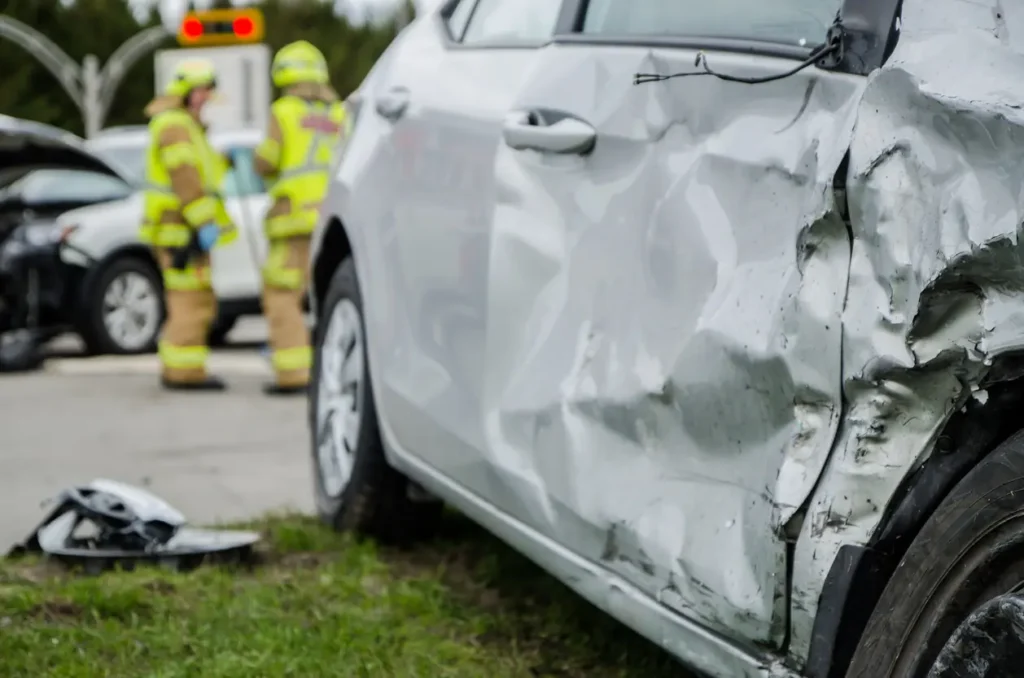
The weight difference between heavy electric vehicles and lighter gas-powered cars matters in a crash. Heavier vehicles carry more kinetic energy, and when that energy transfers to a smaller vehicle on impact, the structural damage is greater and the injuries tend to be more severe.
Instant Torque and the Danger of Rapid Acceleration
Electric motors deliver power immediately, without the gradual buildup of a gas engine. A Tesla or Rivian can accelerate from 0 to 60 mph in under three seconds. Drivers judging whether it is safe to pull out or turn often base that decision on their experience with gas-powered vehicles. An EV accelerating from a stop can close a gap in traffic faster than most drivers anticipate.
That speed also reduces reaction time for everyone involved. Pedestrians and cyclists face an added risk because electric motors run quietly at low speeds, giving vulnerable road users less warning before a vehicle reaches them. According to the North Carolina Division of Motor Vehicles’ 2024 Traffic Crash Facts report, pedestrian deaths in the state increased by 12% in 2024.
How Impact Dynamics Increase Injury Severity
The battery pack in most EVs runs along the floor of the vehicle in what engineers call a skateboard configuration. This places a large concentration of weight low in the vehicle, meaning that in a side or rear collision, more of that force is directed into the other car’s passenger compartment rather than absorbed by the vehicle’s outer structure.
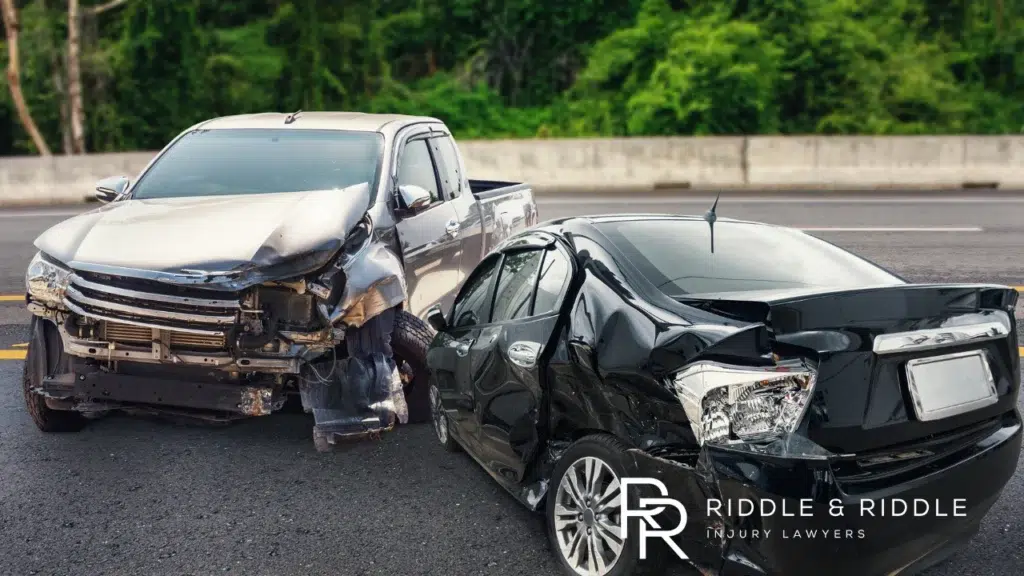
- Rear-end collisions. When a heavier vehicle strikes a lighter one from behind, it transfers significantly more energy on impact. The occupants of the front vehicle absorb that force, which increases the likelihood of whiplash, spinal trauma, and traumatic brain injuries.
- T-bone collisions. The sides of most vehicles have less structural protection than the front or rear. When a heavy EV strikes the side of a passenger car, the concentrated mass at chassis level (the vehicle’s underframe) increases the risk of the passenger compartment being compromised, which can result in serious internal injuries.
Our team at Riddle & Riddle Injury Lawyers has seen how these physical forces translate into real-world suffering. With over 171 years of combined experience, we understand the mechanics of these accidents and how to present this evidence to insurance companies that may try to downplay the severity of your impact.
Navigating the Legal Path Forward
EV accident cases often involve evidence that standard car accident claims do not. These vehicles carry advanced sensors, LiDAR, and black box data that can show exactly how the crash occurred, including whether any driver assistance systems were active at the time. Accessing and interpreting that data requires legal experience with this specific type of claim. Federal data from late 2025 shows reported incidents involving vehicles with advanced driver assistance systems surged to nearly 1,800 annually, with Tesla reporting the most such incidents.
If you were injured in an EV accident in North Carolina, contact Riddle & Riddle for a free consultation. We believe every North Carolinian deserves a dedicated advocate who understands the nuances of modern car accidents. We operate on a contingency basis, no fees unless we win your case.
Why Choose Riddle & Riddle Injury Lawyers?
Riddle & Riddle has recovered over $900 million for injured North Carolinians since 2000. Our attorneys bring over 171 years of combined experience to complex personal injury cases, including those involving newer vehicle technology. Our team is available 24/7 and handle every case on a contingency basis. Call (800) 525-7111 or visit our contact page to get started.