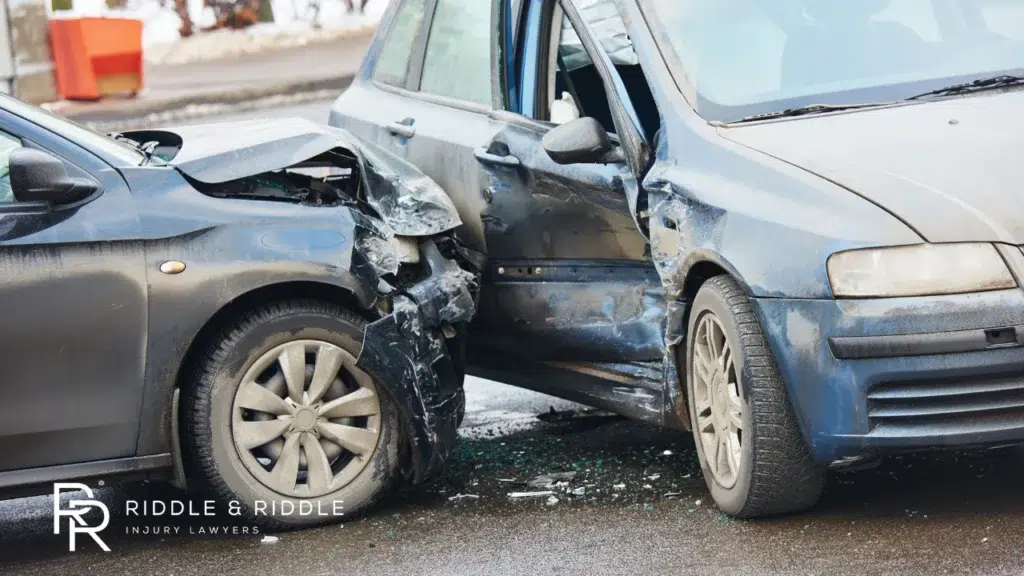

But who is at fault in a T-bone car accident? The answer depends on which driver had the legal right-of-way, the circumstances of the crash, and the evidence available to support each side.
What Is a T-Bone Car Accident?
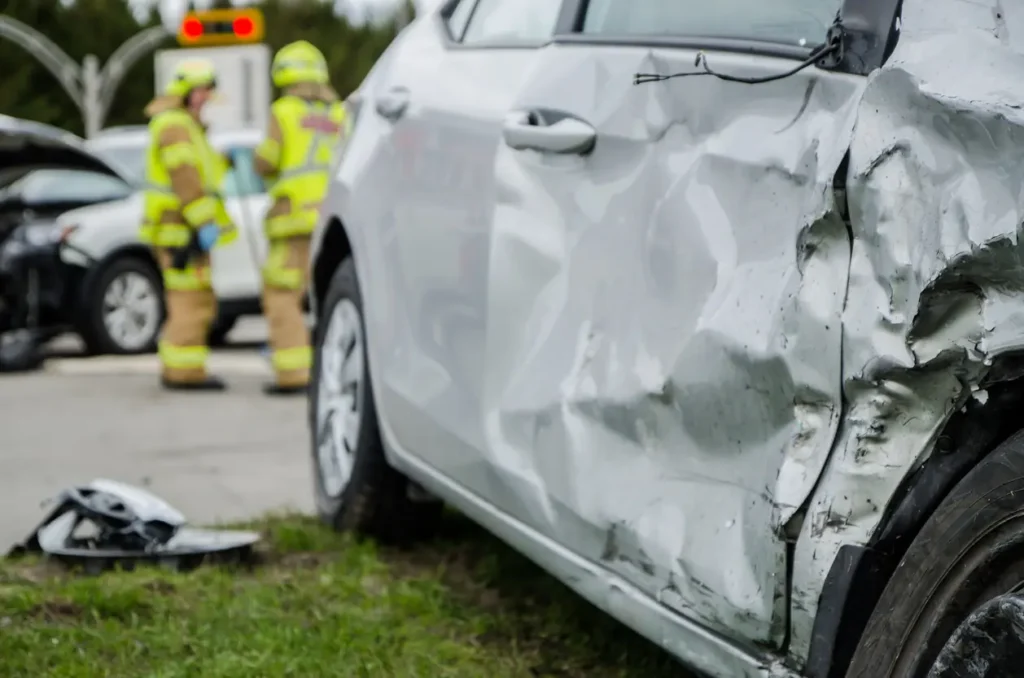
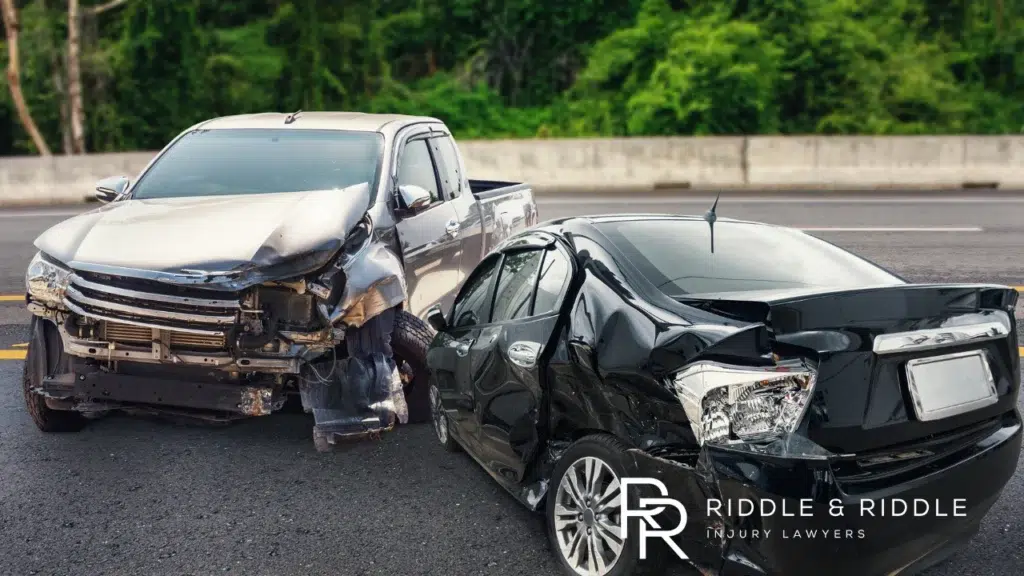
A T-bone car accident happens most often at intersections where drivers must obey traffic signals or signs. These accidents are especially dangerous because the side of a vehicle does not provide the same level of protection as the front or rear end accident. The impact frequently causes serious injuries to drivers and passengers, making these crashes some of the most severe types of collisions.
What Are Common Causes of T-Bone Accidents?
Common causes of T-bone accidents include:
- Running a red light or stop sign
- Failing to yield while making a left turn
- Distracted driving, such as texting or eating behind the wheel
- Driving under the influence of alcohol or drugs
- Speeding through an intersection without caution
When drivers fail to follow traffic rules, the result can be devastating. Victims in T-bone crashes often suffer serious injuries such as broken bones, head trauma, or spinal cord damage. These accidents highlight why determining fault is critical for insurance and legal claims.
How Is Fault Determined in a T-Bone Accident?
In most cases, the driver who violated traffic laws will be considered at fault in a T-bone car accident.
Investigators, insurance adjusters, and courts may rely on several forms of evidence, including:
- Police reports created at the scene of the accident
- Statements from witnesses who saw the crash happen
- Photos and videos from traffic cameras, dashcams, or bystanders
- Vehicle damage patterns that show the point of impact
- Accident reconstruction reports prepared by experts
Each piece of evidence helps to tell the story of what happened. If a driver ran a red light or ignored a stop sign, liability is usually clear. However, in some situations, both drivers may share fault.
Can Both Drivers Share Responsibility?
Yes, both drivers can be held partially responsible for a T-bone accident. This is called comparative negligence.
For example:
- Driver A runs a red light.
- Driver B is distracted and speeding through the intersection.
- Both vehicles collide, resulting in a T-bone crash.
In a comparative negligence scenario, Driver A may be primarily at fault for running the light, but Driver B’s speeding contributed to the crash as well. Under comparative negligence laws, compensation for each driver may be reduced based on their percentage of fault.
Recognizing that more than one driver can be liable shows how complex T-bone cases can become.
What Evidence Helps Prove Fault?
Strong evidence is what helps protect your rights if you were involved in a T-bone accident and believe the other driver was at fault.
Consider gathering these after an accident:
- Photos of the vehicles, intersection, and traffic signals
- Medical records that link your injuries to the crash
- Witness contact information and statements
- Copies of traffic citations issued at the scene
- Insurance and accident reports filed by law enforcement
Collecting evidence such as photos, witness statements, and police reports quickly can make a big difference in proving your case. Evidence also helps fight back against claims that you caused or contributed to the crash.
Why Fault Matters in a T-Bone Accident
Fault in a T-bone car accident determines not only who pays for property damage but also how medical bills, lost wages, and pain and suffering are covered. If the other driver is fully at fault, their insurance may be required to cover your losses. If fault is shared, your recovery may be reduced under state law.
Understanding liability is critical because the financial and physical costs of T-bone crashes can be life-changing. Victims may need ongoing medical treatment, rehabilitation, or long-term care. Knowing how fault is determined provides clarity and helps you take the right steps toward recovery.
Contact the Goldsboro Car Accident Lawyers at Riddle & Riddle Injury Lawyers for Help Today
Who is at fault in a T-bone car accident? Most often, it is the driver who failed to yield the right-of-way, ran a light, or otherwise broke traffic laws. Still, every case is unique. Sometimes, both drivers share responsibility, and the outcome depends on evidence and state negligence rules.
For more information, please contact Riddle & Riddle Injury Lawyers to schedule a free consultation with a car accident lawyer in North Carolina today. We have twelve convenient locations in North Carolina, including Greenville, Raleigh, Goldsboro, Jacksonville, Kinston, Charlotte, Greensboro, Durham, Fayetteville, Wilmington, Winston-Salem & Garner.